Ulrich Albrecht · 12 October 2026
Adapting Reservation Interfaces to Regional Cultural Nuances in Remote Hospitality Ventures
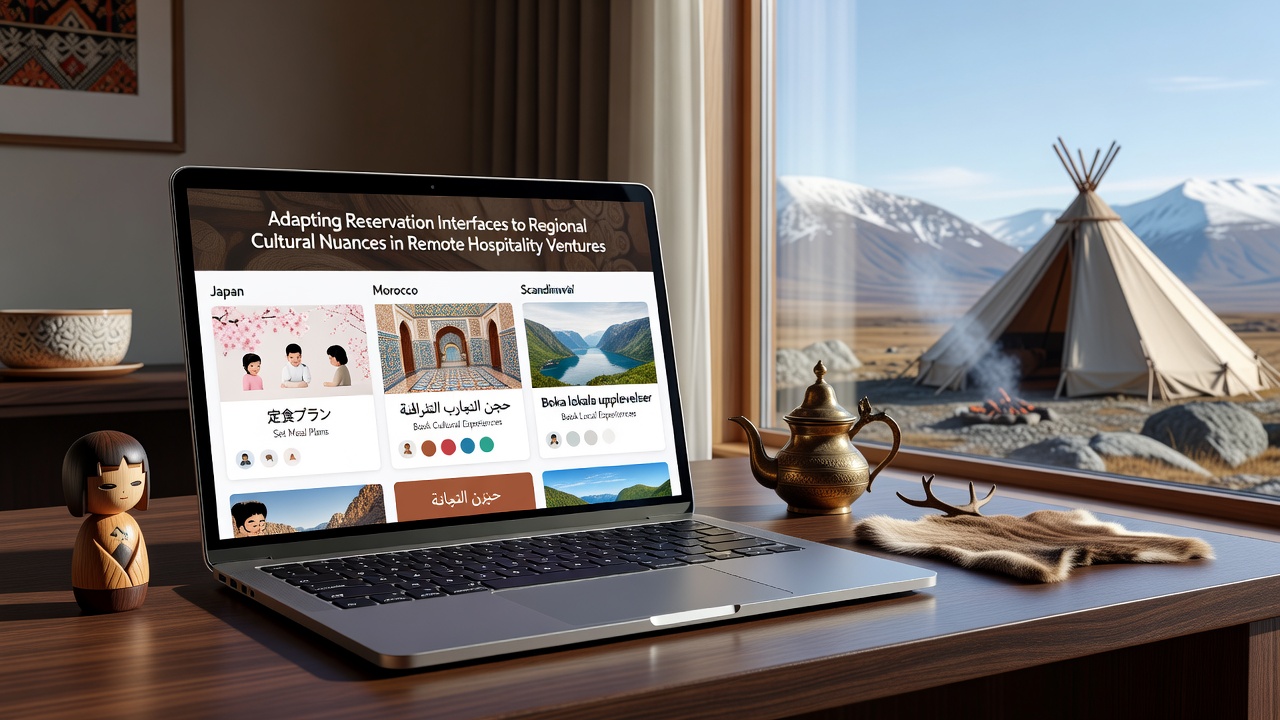
Remote hospitality ventures operate in isolated locations where online reservation systems serve as the primary gateway for travelers, yet these platforms must account for distinct regional expectations around layout, symbols, and transaction flows. Data from multiple tourism studies indicate that cultural factors influence how users interact with date selectors, color schemes, and confirmation messages, particularly in areas where internet connectivity remains limited and bookings often occur through mobile devices in advance of arrival. Observers note that operators in places like the Andes or northern Scandinavia adjust their interfaces based on patterns observed in booking abandonment rates across different visitor demographics.
Language and Localization Practices
Reservation systems in remote settings frequently incorporate dynamic language support that extends beyond simple translation to include idiomatic phrasing and honorifics preferred in specific markets. Researchers have documented cases where interfaces serving Southeast Asian travelers include options for formal address structures while those targeting Scandinavian users streamline prompts to reflect direct communication styles. This approach connects with findings from academic reviews that show reduced error rates when terminology matches local conventions for family bookings or group sizes. One analysis of platforms in rural Australia revealed that incorporating indigenous language elements on confirmation screens improved repeat engagement metrics tracked through October 2026 reports.
Visual Elements and Symbol Interpretation
Color choices and iconography in reservation flows carry varying meanings that affect user trust in remote hospitality contexts. Evidence from cross-cultural design studies points to red signaling urgency in some East Asian markets while representing caution elsewhere, prompting operators to test palette variations during development. Payment button placement also shifts according to regional habits, with left-to-right reading patterns influencing layout decisions in Latin American properties compared to right-to-left configurations tested for Middle Eastern travelers. Those who manage distributed listings across continents report that A/B testing of these elements correlates with higher completion rates when interfaces align with local visual norms.
Transaction and Calendar Adaptations
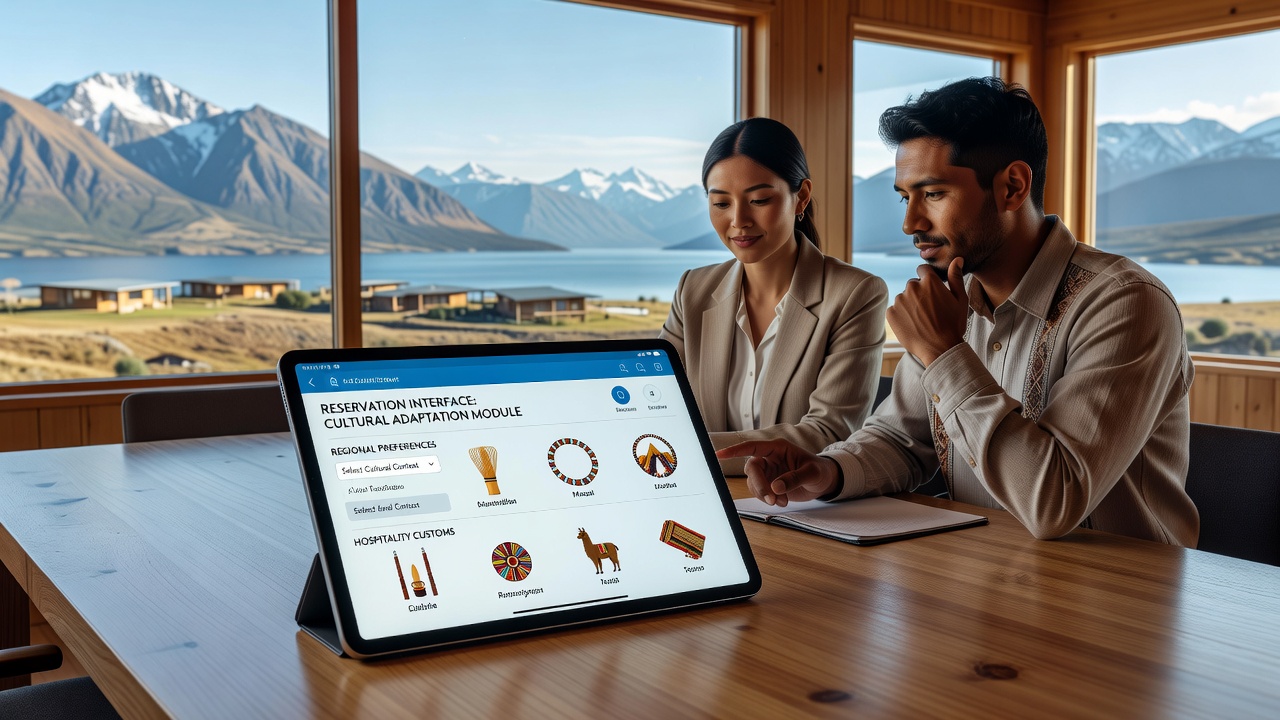
Payment method preferences differ sharply across regions, leading remote ventures to integrate local gateways alongside global options like credit cards. Studies conducted by tourism research groups in Canada and New Zealand show that including mobile wallet integrations popular in specific countries reduces friction for users in those markets. Calendar displays likewise require adjustment because some cultures prioritize lunar or fiscal year references over Gregorian formats, and data indicates lower drop-off when secondary date views appear alongside primary selectors. Operators in isolated Pacific island properties have adopted these modifications after reviewing transaction logs that highlighted seasonal booking clusters tied to regional holidays.
Regulatory and Accessibility Considerations
Government tourism agencies in various jurisdictions publish guidelines that encourage interface features supporting accessibility standards while respecting cultural sensitivities around personal data handling. Figures from the European Travel Commission demonstrate how privacy notice wording adapted for different language groups maintains compliance across borders. In parallel, academic papers from institutions in Japan examine how voice input options benefit users in areas with lower literacy rates for text-based forms. These adaptations integrate with broader efforts by industry bodies to standardize certain core functions without overriding local expectations for remote sites.
Implementation Patterns Across Regions
Operators in the Canadian Rockies have incorporated weather-linked prompts into reservation summaries after observing that travelers from specific climates seek confirmation details tied to seasonal conditions. Similar patterns appear in African safari lodges where interface elements reference community-based tourism structures valued in those areas. Researchers tracking these changes note that modular backend systems allow quick swaps of front-end components without disrupting core inventory management. Such flexibility proves useful when ventures expand listings across multiple time zones and cultural zones simultaneously.
Conclusion
Adapting reservation interfaces to regional cultural nuances requires ongoing analysis of user data combined with input from local stakeholders in remote hospitality settings. Evidence accumulated through 2026 shows measurable improvements in booking completion when formats, symbols, and transaction steps align with visitor backgrounds. Ventures that maintain flexible architectures continue to refine these elements as new demographic patterns emerge in global travel records.