Gisela Friedrich · 14 September 2026
How Domain Transitions Shape Growth Trajectories for Specialized Rural Booking Platforms
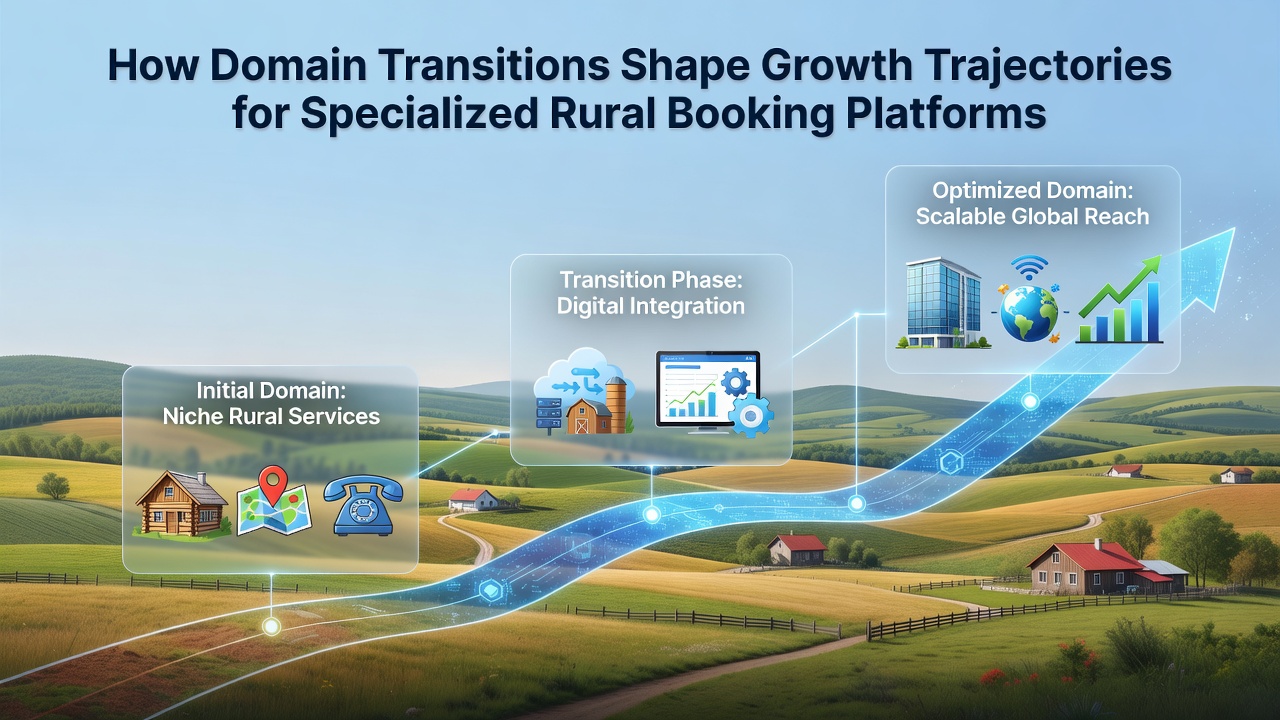
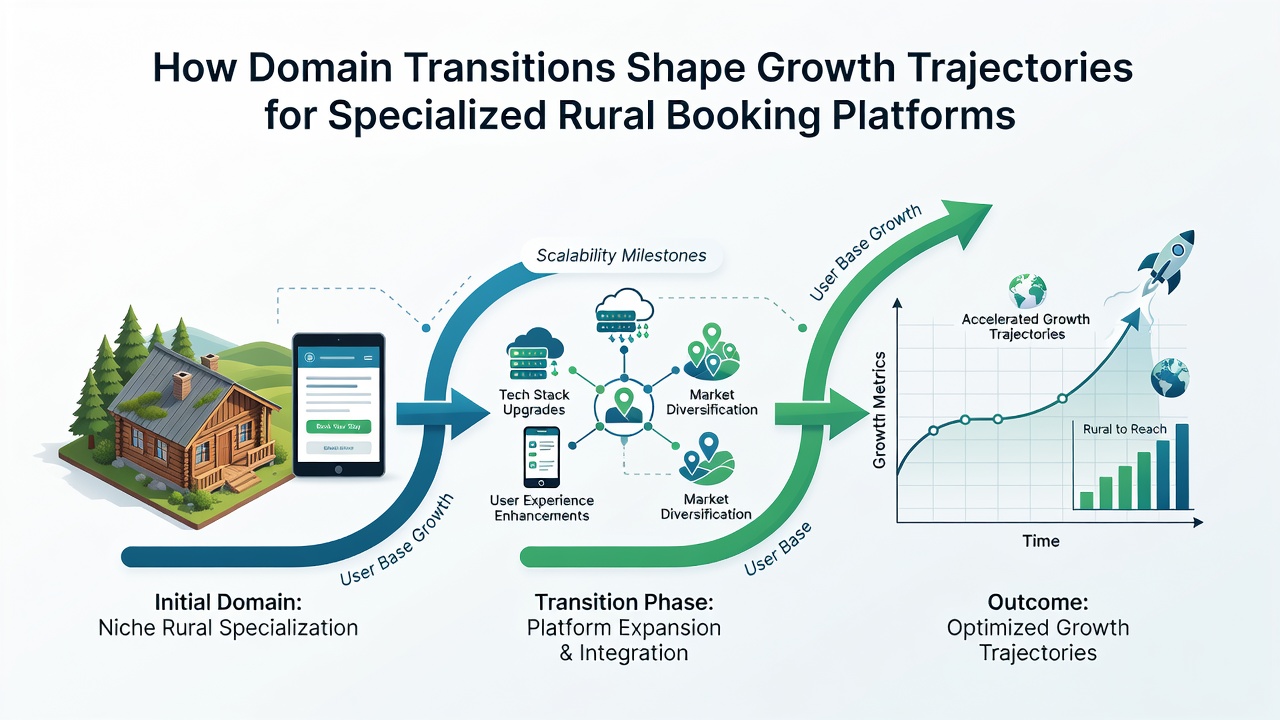
Specialized rural booking platforms connect travelers with unique stays such as farm cottages, eco-lodges, and remote cabins, yet these sites frequently encounter domain transitions during expansion or rebranding phases. Such shifts alter visibility metrics and user acquisition patterns according to multiple industry analyses. Observers note that a change from an established domain to a new one often triggers adjustments in search engine indexing processes, which in turn affect booking volumes over subsequent quarters.
Core Mechanics of Domain Changes in Rural Platforms
Rural booking services operate in niche markets where location-specific searches drive the majority of traffic, and domain transitions require precise implementation of redirects to maintain continuity. Experts at research institutions have documented that 301 redirects preserve link equity when executed correctly, whereas incomplete setups lead to temporary ranking declines that last from weeks to several months. Data from Australian rural tourism reports shows platforms handling farm stay reservations experienced average traffic dips of 25 to 40 percent immediately following migrations before gradual recovery set in.
Those who manage these platforms find that rural audiences often discover sites through long-tail queries tied to specific regions or property types, making keyword continuity essential during any switch. Studies from European academic sources reveal that platforms incorporating structured data markup alongside domain moves recover organic reach faster than those relying solely on basic redirects. The process involves coordination between technical teams and content strategists to ensure property listings remain accessible without duplication issues.
Measured Effects on Traffic and Revenue Growth
Analytics from multiple rural booking operators indicate that domain transitions correlate with distinct phases in growth curves, including an initial stabilization period followed by renewed upward trajectories once search engines reprocess the new domain. Figures released by Canadian tourism agencies highlight that sites focused on wilderness cabin rentals saw conversion rates stabilize within four to six months post-transition when proper canonical tags and sitemap updates accompanied the move. Short-term revenue fluctuations appear tied to reduced visibility in regional search results rather than changes in user demand itself.
One documented case involved a platform specializing in vineyard accommodations that transitioned domains in early 2025, resulting in a 15 percent drop in direct bookings during the first quarter before metrics aligned with pre-transition levels by the end of the year. Researchers tracking similar patterns across EU member states note that platforms incorporating hreflang tags for multilingual rural audiences maintained steadier international referral traffic throughout the adjustment window.
Strategic Approaches That Influence Long-Term Outcomes
Platform operators who prepare comprehensive migration plans achieve more consistent growth trajectories compared to those addressing issues reactively. According to reports from the OECD on digital tourism infrastructure, successful transitions include pre-launch audits of backlink profiles and post-migration monitoring of crawl errors through tools provided by major search engines. Rural platforms benefit additionally from localized outreach such as partnerships with regional tourism boards that reinforce new domain authority through fresh inbound links.
Data indicates that September 2026 projections from North American rural development agencies forecast increased adoption of specialized booking tools among small property owners, with domain stability listed as a key factor in sustained platform expansion. Those overseeing these services often combine technical migrations with content refreshes that highlight seasonal availability and unique rural experiences to accelerate re-engagement of returning visitors.
Broader Market Context and Future Patterns
Industry organizations focused on sustainable tourism have compiled evidence that domain transitions intersect with broader trends such as mobile-first indexing and voice search optimization, both of which carry particular weight for users booking remote rural properties. Platforms that align domain strategies with these technical evolutions demonstrate accelerated recovery in user sessions and average booking values. External analyses from university-led tourism studies further connect these outcomes to overall sector resilience amid fluctuating travel preferences.
Observers tracking global patterns identify that rural booking platforms in emerging markets encounter amplified effects from domain changes due to lower baseline domain authority levels, necessitating extended timelines for full trajectory stabilization. Coordinated efforts between developers and marketers help mitigate these variables through targeted campaigns that rebuild topical relevance around the new domain.
Conclusion
Domain transitions represent a recurring operational reality for specialized rural booking platforms, with documented impacts on search visibility, user acquisition, and revenue timelines. Evidence from government tourism bodies and academic research consistently shows that methodical execution of redirects, structured data, and localized promotion supports smoother recovery and continued growth. Platforms positioned in niche rural segments continue to navigate these shifts as part of scaling strategies, with outcomes shaped by preparation and ongoing monitoring rather than the transition event alone.